A Marketing Experiment · 2023
The Squatting Chair
The Idea
What If Furniture Could Start a Conversation?
This project started with two questions stacked on top of each other. The first: can you design a chair that doesn’t let you sit badly? The second, and the real reason this project exists: can a piece of furniture on a sidewalk make strangers stop, sit down, and talk to you?
I’m a furniture maker working from a home shop on a residential street in Salt Lake City. People walk by every day. I wanted to find out if I could use my craft to start real conversations with them — not through a website or an Instagram ad, but through a physical object sitting on the walkway that was strange enough to make someone pause.
So I designed a chair that would do both: coach your posture through its geometry, and be weird enough that nobody could walk past it without wondering what it was.
The Design
18 Degrees of Intention
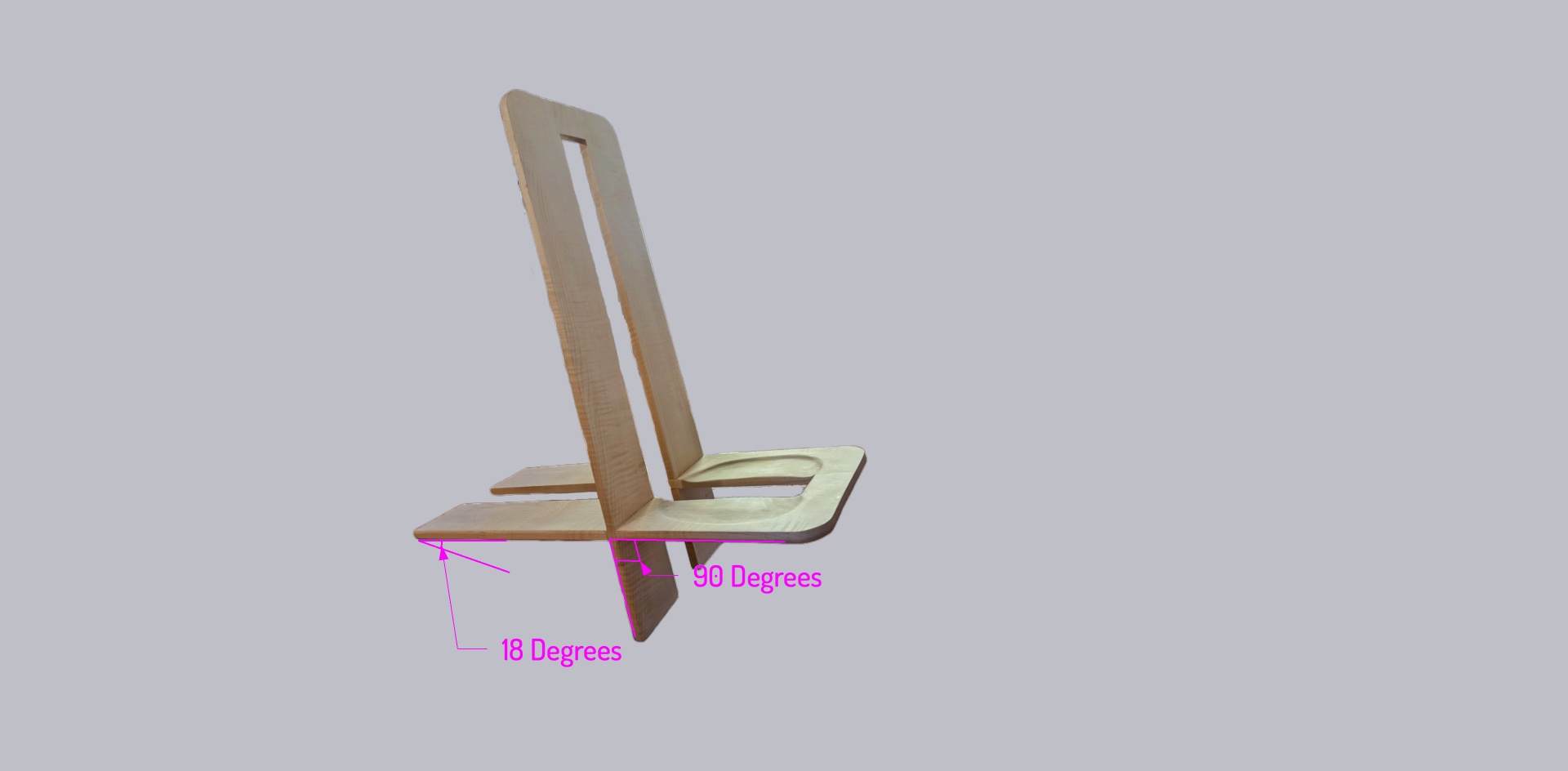
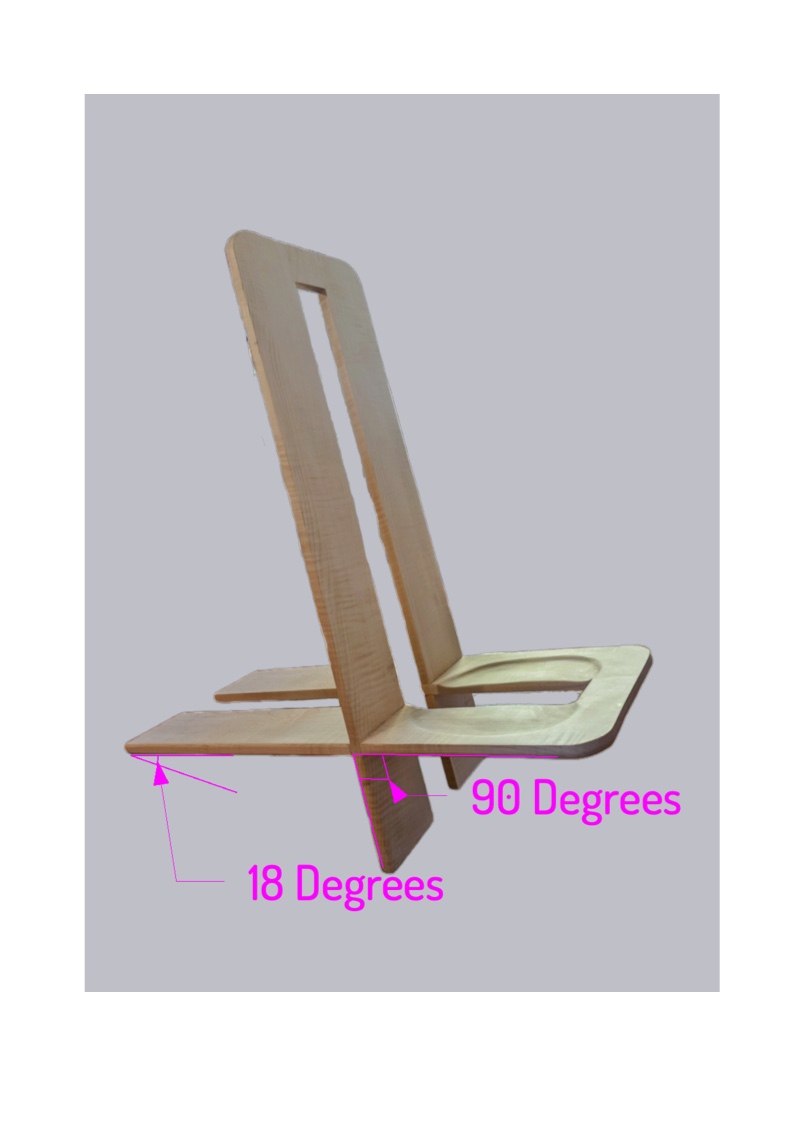
Three pieces of maple, two angles, zero hardware. The back rises from the seat at 90 degrees. The seat tilts forward at 18 degrees — enough to open the hips without sliding you off. The foot extends forward as a counterweight and resting platform.
The cutout in the seat is both structural and aesthetic — it lightens the chair and gives it a visual tension that matches the mechanical tension of the design. Most chairs are passive. You collapse into them. The Squatting Chair tilts your pelvis forward, positions your spine where it wants to be, and when you stand up, you do it with a proper squat.
But the design also had to look unusual enough to be its own advertisement. A normal-looking chair on a sidewalk is trash. This thing — angular, minimal, clearly handmade — was meant to be a question mark.
The Experiment
A Chair, a Blackboard, and a QR Code
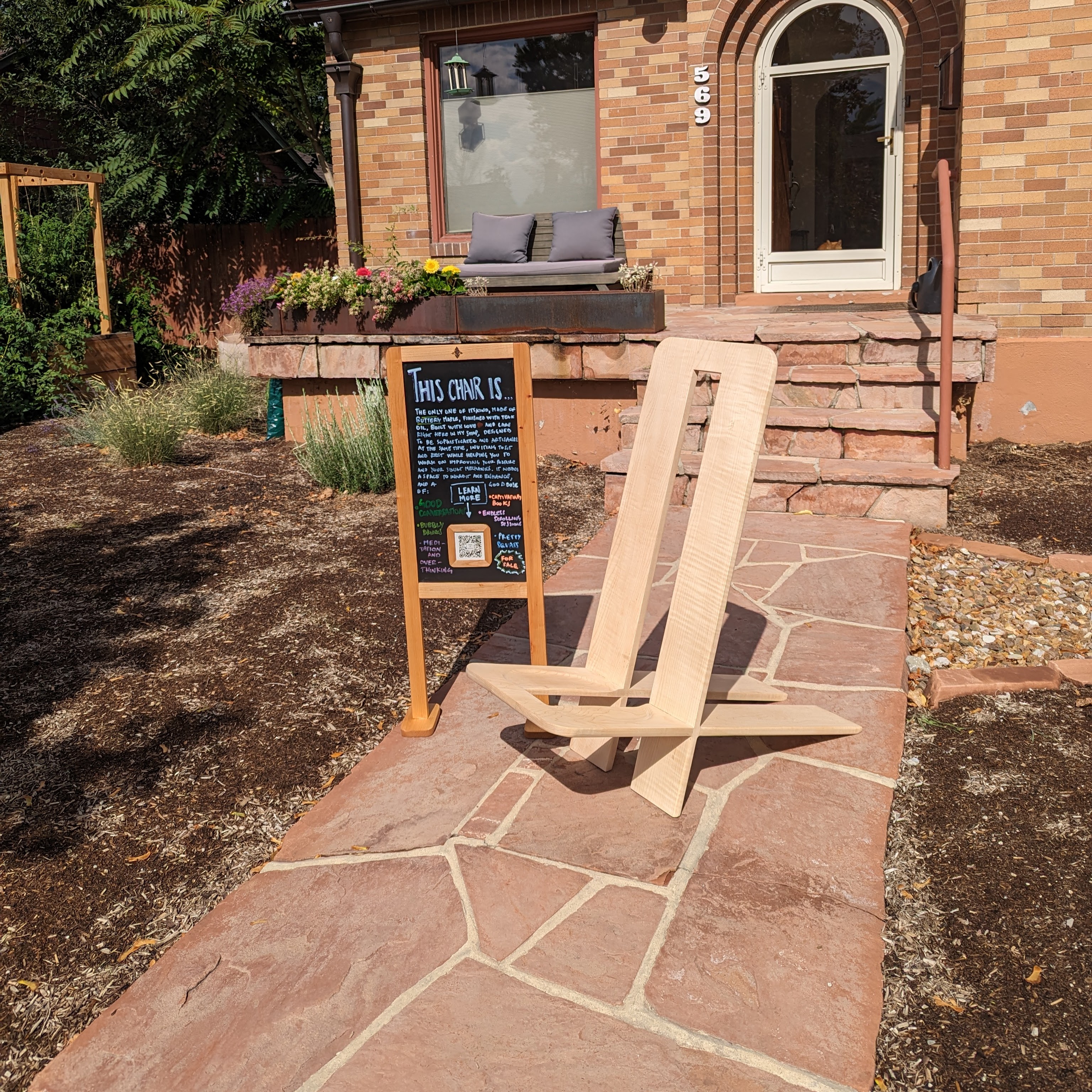
I set the chair on the front walkway of my house with a hand-lettered blackboard next to it. The sign explained what the chair was, how it worked, and invited anyone walking by to sit down and try it. At the bottom: a QR code linking to this very page.
The idea was simple — a passerby stops, reads the sign, maybe sits in the chair, scans the code, lands on the website, and now they know a furniture maker lives here. Maybe they tell a friend. Maybe they come back with a commission. Guerrilla marketing, woodworker style.
I left it out there for weeks. I watched from the window sometimes. People walked by. Dogs sniffed it. Nobody sat down. Nobody scanned the code. Not a single conversation started.
569 E Cleveland Ave, Salt Lake City — the full setup, waiting for a conversation that never came.
The Result
It Didn’t Work. I’m Still Proud of It.
As a marketing experiment, this was a complete failure. Zero scans, zero conversations, zero leads. The chair sat on the sidewalk like a beautiful question that nobody wanted to answer.
But the chair itself is genuinely good. It’s comfortable — excellent for reading, scrolling, or having a drink on the patio. The 18-degree angle opens the hips and promotes active sitting. When you get up, you squat up with great form. My wife and I use ours constantly.
I’m proud of this project because it represents something I believe in: trying things, putting your work out into the world, and being honest about what happens. Not every experiment succeeds. But every experiment teaches you something, and this one taught me that sidewalk marketing isn’t how custom furniture finds its people.
The chairs are still available. They just found their customers the old-fashioned way — through people who already knew what they were looking for.
Specifications
The Details